Welcome to the website of the company DRILLING D.O.O.

DRILLING D.O.O.

Drill Rigs

DRILLING D.O.O. is proud to be a long-term partner of Valley Longwall, which is an international leader in the supply of In-Seam Directional Systems & Services.
.

Read More

PETITTO MULE

The PETITTO MULE© shield retriever tractor incorporates the accepted method in material handling in today’s underground mining industry
.
.
Read More

Driftrunner

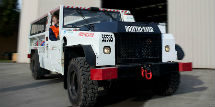
The Driftrunner range are explosion protected (AS3584.2), diesel powered vehicles that are designed for the important task of transporting both personnel and materials into the underground coal world.

Read More

In-seam Directional Drilling for Exploration & Gas Drainage of Coal Seams

In-seam Drilling for Gas Drainage — Rotary Drilling

  • No directional control
  • Excessive drilling metres
  • Ineffective coverage
  • Fatal Outburst can happen due to inaccurate borehole coverage

Gas and Outburst Prevention

  • Improvements in directional drilling technology
  • Drilling rates comparable to that of rotary drilling
  • Rotary drilling is still to be utilized where historically adequate
  • All mines required to develop an Outburst Management Plan
  • Directional drilling the only form of drilling to provide planned and verified coverage

Introduction of Directional Drilling

  • Oil field technology modified for underground
  • Boreholes drilled with a down-hole motor
  • Boreholes progressively surveyed for steering and to determine location
  • Locate boreholes in desired horizon and location

Key Components for Directional Drilling

  • Suitable stable environment
  • Experienced project supervision
  • Experienced drillers
  • Proven and competent procedures and training
  • Drill rig with high pressure water pump
  • Downhole motor
  • PCD drill bits
  • Survey system
  • Suitable and safe site management

Directional Drilling Environment

  • Requires environment suitable to support directional drilling
    • Target strata (coal or stone) has to be stable (drillable)
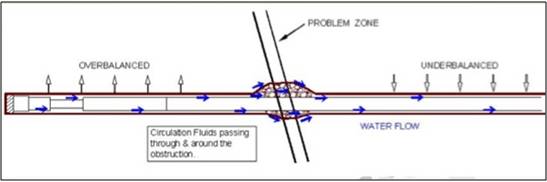
      • High pressure ejects broken strata into borehole
      • Fracture strata collapses into borehole
      • Clay strata swells into hole with water contact


Electro-hydraulic Drill Rig for Longhole Directional Drilling

VLI Series 1000

VLI Series 1000

Directional Drilling – Downhole Motor

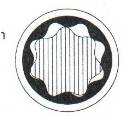
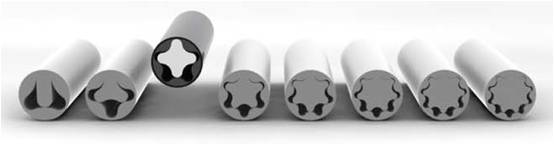
  • High pressure water pumped down drill rods is forced through the power section and rotates the drill bit

  • Various torque characteristics and rotational speeds available


Downhole Motor Deflection

  • Standard 1.25 deg bend
  • 96mm OD PCD bit
  • 18.7mm deflection at bottom of the bit
  • Provides the ability to be steered


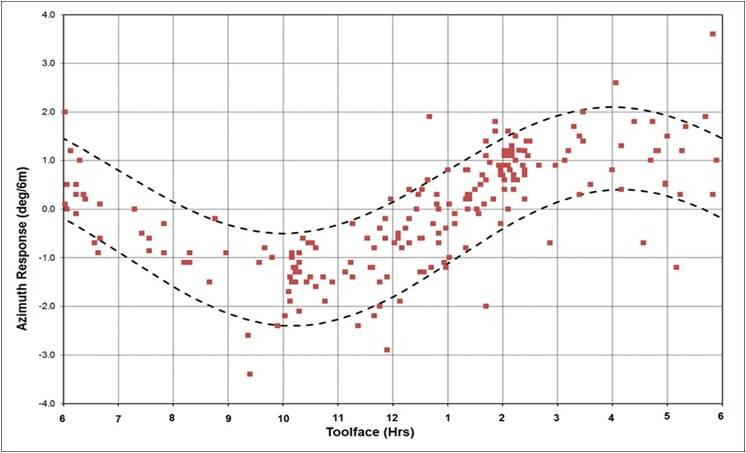
DHM Steering Control — Vertical Response

  • Change in vertical angle over 6m – limited curve rate


Drill Site

  • Drill site provided to include all equipment
  • Avoid interaction with mine transport movements
  • High safety standards and operational procedures
  • Ventilation requirements to manage gas, electrical requirements, water supply and pumping

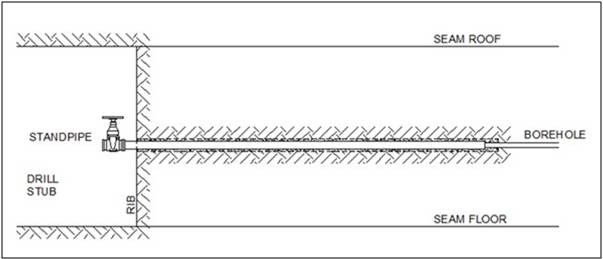
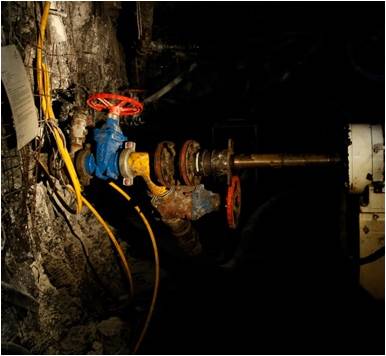
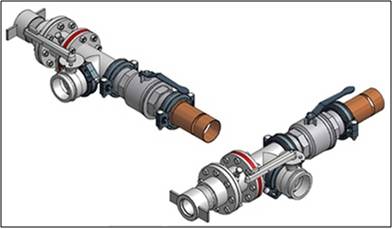
Gas/Water Management — Standpiping

  • Fully grouted standpipe
  • Pressure rated fittings
  • Fittings seal borehole and control returns
  • Pressure tested for known high pressure intersections


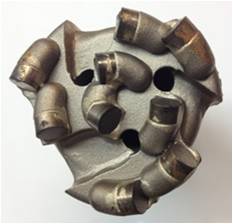
Flat-faced PCD Bits

50% recessed 13mm cutters

Exposed 13mm cutters

Asahi bit with 13mm cutters
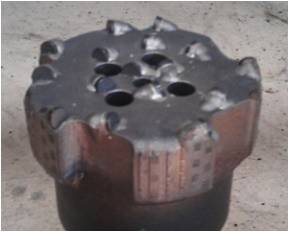
50% recessed 8mm cutters
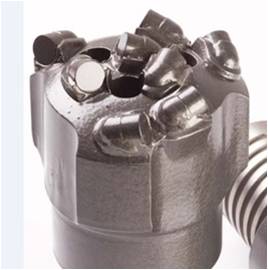
Convex face
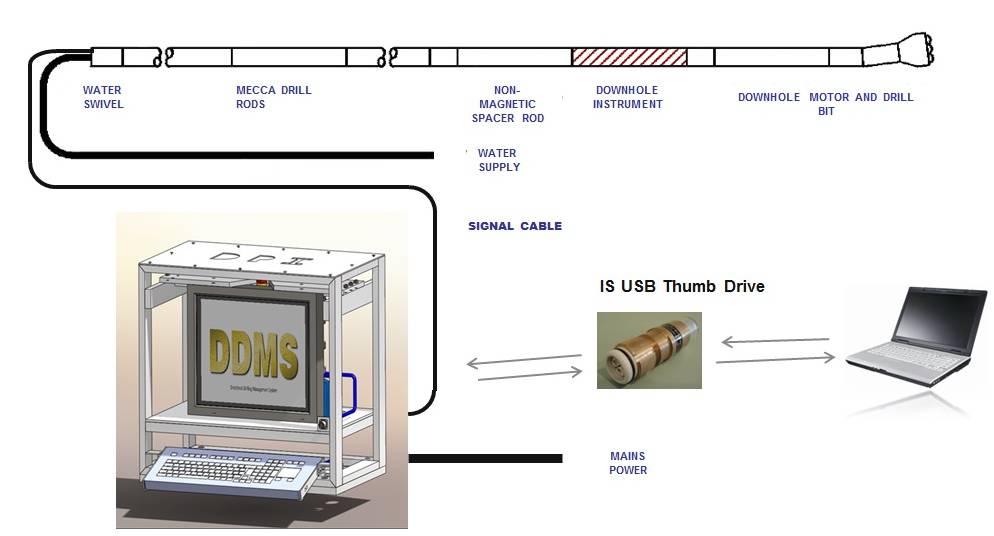
Borehole Surveying – DDMS (Directional Drill Monitoring System)


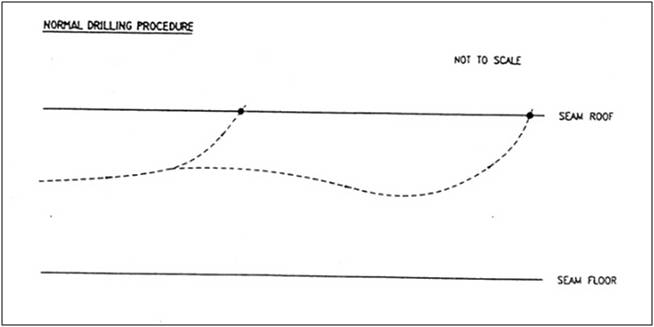
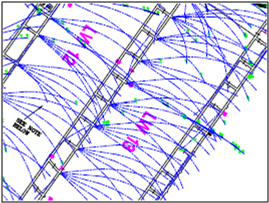
Borehole Drilling Patterns

From right to left:

  • Rotary drilling initially
  • Conversion to directional drilling
  • Improved drilling and steering skills

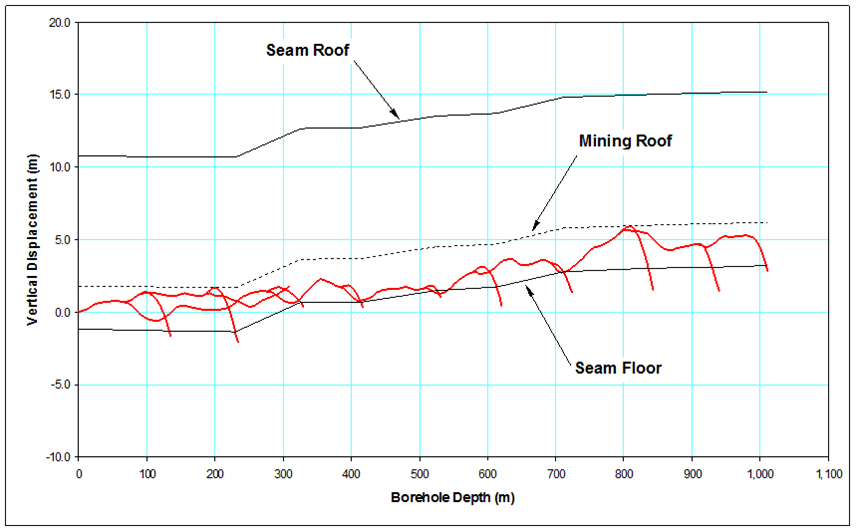
Progressive Seam Profile Definition

  • Drill up to intersect roof
  • Extrapolate seam roof line
  • Pull back to suitable location and branch
  • Advance 50-100m to next roof intersection

Thick Seam Profile Definition

  • Progressive intersections with the seam floor


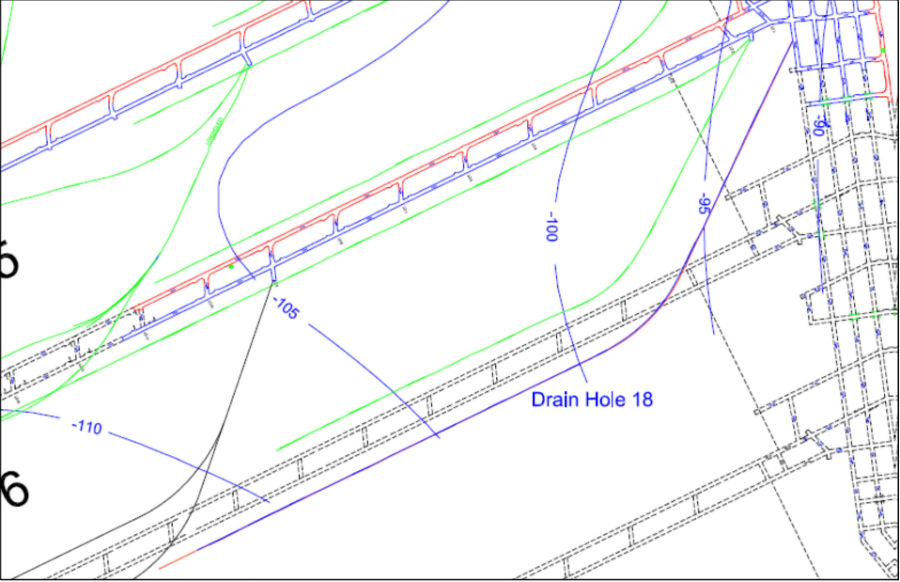
Borehole Design

  • Borehole is designed in horizontal plane to suit positioning on the mine contour plan
  • Seam contours are based on surface borehole interpretation and mine RLs


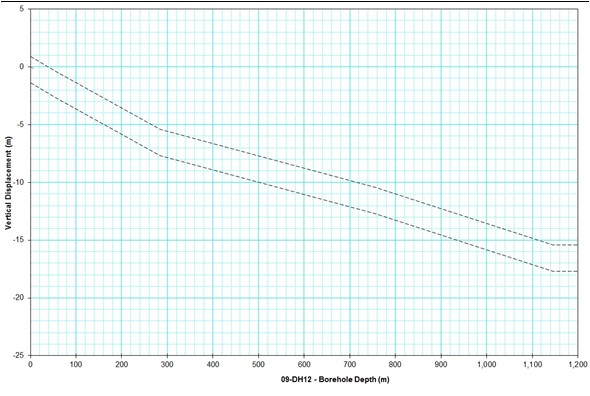
Design Profile

  • Borehole Profile based on intersections of design borehole with seam contours
  • Seam profile is provided to be used as a guide by the drillers
  • it is only an estimation of what the seam profile is
  • Drillers have to progressively define the seam profile as they advance

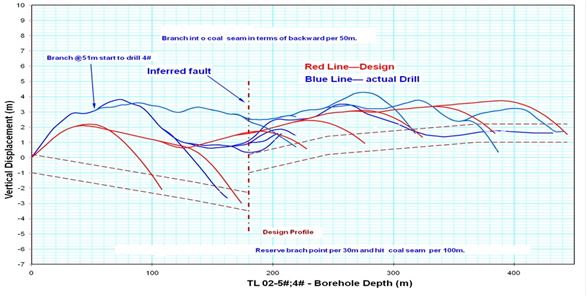
Profile Plot

  • Exaggerated vertical scale – angles exaggerated
  • Actual seam profile differs from the design profile
  • Seam roof is extrapolated ahead of each roof intersection
  • Each intersection revises the seam profile

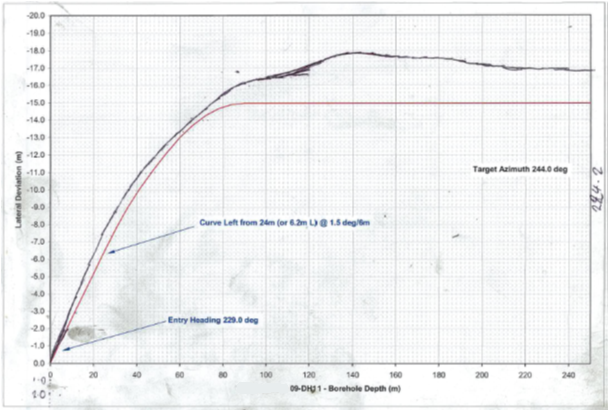
Lateral Deviation Plot

  • Lateral Deviation is plotted progressively
  • Aim is to follow the design line to position the borehole as required

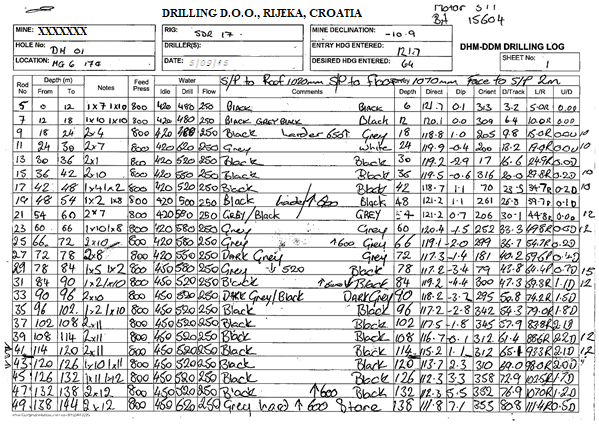
Drilling Records – allows interpretation of drilling results

Driller to keep records of:

  • Depth
  • DHM orientations
  • Feed pressure
  • Water pressure and flow
  • Comments of strata drilled
  • Survey results

Longhole In-seam Drainage / In-seam Exploration

  • Long in-seam holes drilled for gas drainage provide exploration information

Exploration with Long Gas Drainage Borehole

  • Seam profile defined by standard roof intersections
  • Seam discontinuities identified

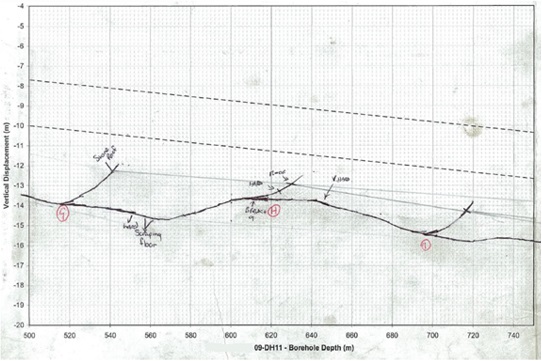
Fault Definition

  • Consecutive stone intersections at similar depth indicate presence of a structure
  • Prefer to have some indication of likely direction of displacement from geologist
  • First intersection can be extended upwards to find displaced seam
  • Second intersection can be extended down to find displaced seam
  • Infinite possibilities

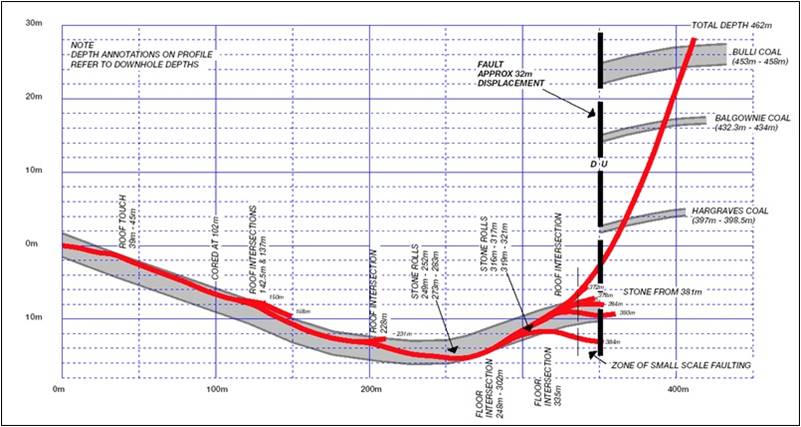
In-seam Exploration – Fault Identification/Definition

  • Multiple intersections defined location of fault
  • Sacrificial branch upwards defined the displacement of the fault

In-seam Exploration – Fault Identification/Definition

  • Multiple intersections defined location of fault
  • Sacrificial branch upwards defined the displacement of the fault
  • Additional drilling confirmed no further faulting beyond

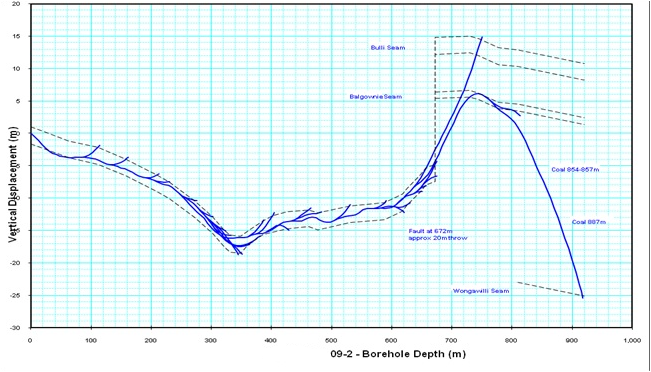
Undulating Seam

  • Seam profile changes
  • Unexpected roof or floor intersections at unrecoverable angles
  • Additional metres drilled

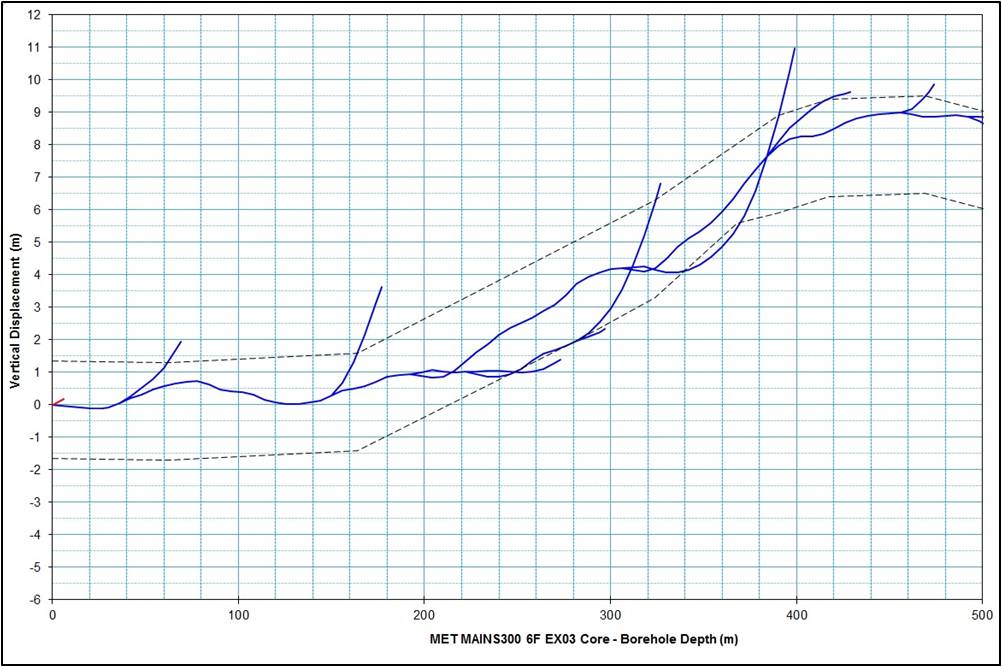
Thin Undulating Seam

  • Sample profile has seam dips varying between 0 and 4 degrees
  • Seam thickness 1.5m
  • Additional metres drilled in stone trying to find seam
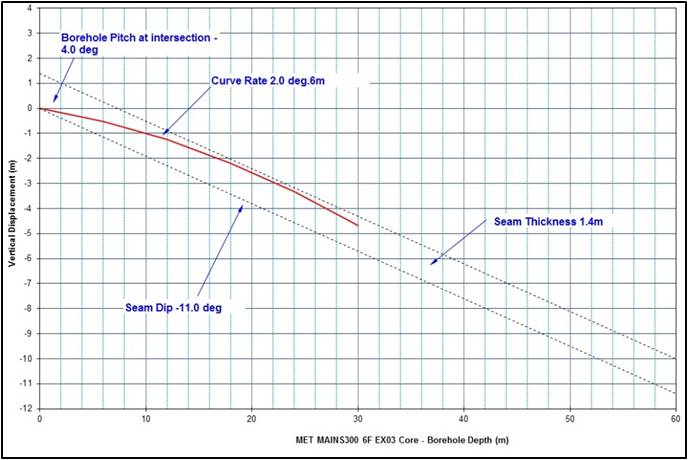
  • Borehole curve rate limited to 2.0 degrees/6m

Intersecting Stable Target Seam

  • 11 degree relative angle of intersection
  • Overshoots and intersects roof


  • 7.0 degree relative angle of intersection
  • Near roof but stays in seam

Seam Definition – bogging coal conditions

  • Used when target seam is broken and unstable
  • Penetrate coal, assess for stability, progress until boggy, pull back
  • Require stable stone strata above or below seam
  • Require stable interface at seam intersection
  • Prefer reasonable penetration rate in stone strata
  • Prefer easy branching in stone strata
  • Used muds to improve stability and flushing

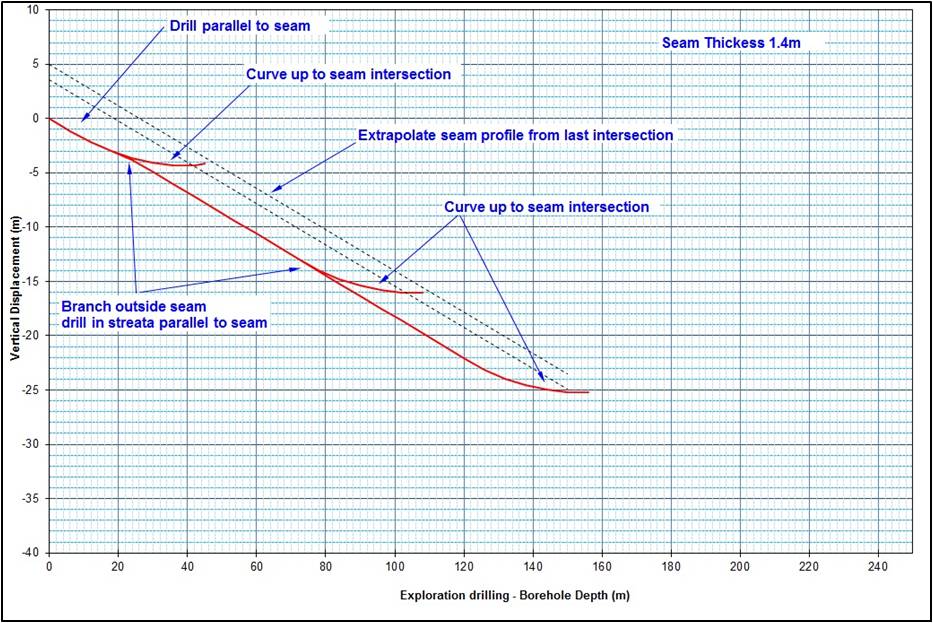
Seam Definition – bogging coal conditions

  • Drill in stable strata above or below the seam
  • Curve up or down sharply to intersect seam
  • Pull back before bogging
  • Extrapolate seam profile
  • Branch and continue


CONCLUSIONS

  • Directional drilling is an established form of in-seam exploration
  • All drilling requires a stable environment to maintain an open borehole and avoid blockage and/or bogging
  • Additive muds can improve stability but are limited in high pressure, broken environments
  • Alternative access is available by drilling in stable stone strata above or below the target seam with intersections at regular intervals
  • The drilling stability can be assessed with limited exposure to bogging and loss of equipment