In-seam Drilling for Gas Drainage — Rotary Drilling
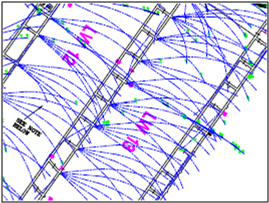 No directional control
- Excessive drilling metres
- Ineffective coverage
- Fatal Outburst can happen due to inaccurate borehole coverage
Gas and Outburst Prevention
- Improvements in directional drilling technology
- Drilling rates comparable to that of rotary drilling
- Rotary drilling is still to be utilized where historically adequate
- All mines required to develop an Outburst Management Plan
- Directional drilling the only form of drilling to provide planned and verified coverage
Introduction of Directional Drilling
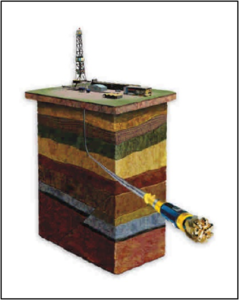 Oil field technology modified for underground
- Boreholes drilled with a down-hole motor
- Boreholes progressively surveyed for steering and to determine location
- Locate boreholes in desired horizon and location

Key Components for Directional Drilling
- Suitable stable environment
- Experienced project supervision
- Experienced drillers
- Proven and competent procedures and training
- Drill rig with high pressure water pump
- Downhole motor
- PCD drill bits
- Survey system
- Suitable and safe site management
Directional Drilling Environment
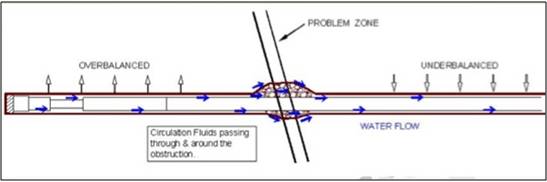
- Requires environment suitable to support directional drilling
- Target strata (coal or stone) has to be stable (drillable)
- High pressure ejects broken strata into borehole
- Fracture strata collapses into borehole
- Clay strata swells into hole with water contact
- Target strata (coal or stone) has to be stable (drillable)

Electro-hydraulic Drill Rig for Longhole Directional Drilling

VLI Series 1000
Directional Drilling – Downhole Motor
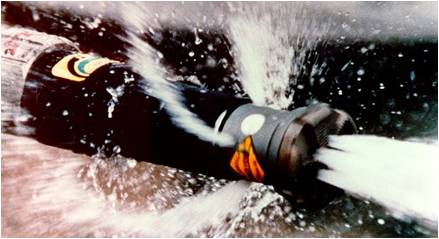
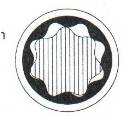
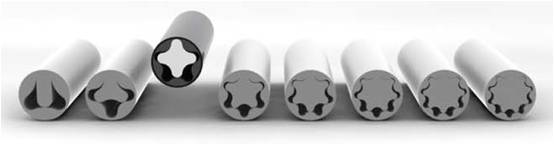
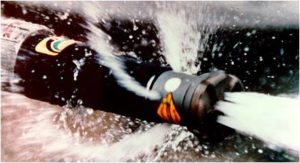 High pressure water pumped down drill rods is forced through the power section and rotates the drill bit
- Various torque characteristics and rotational speeds available

Downhole Motor Deflection
- Standard 1.25 deg bend
- 96mm OD PCD bit
- 18.7mm deflection at bottom of the bit
- Provides the ability to be steered

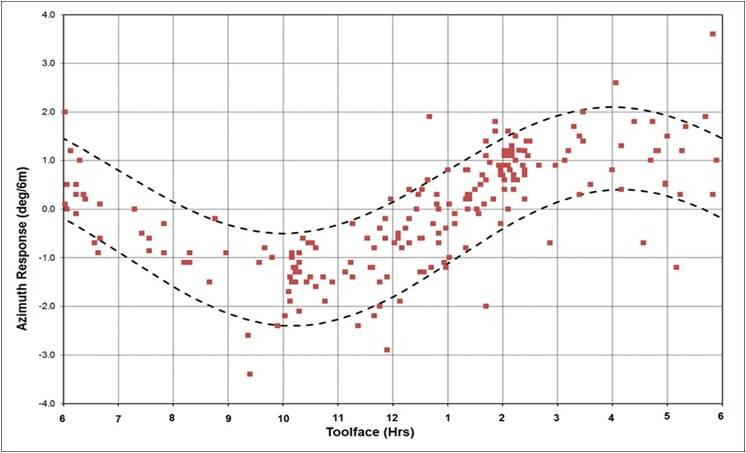
DHM Steering Control — Vertical Response
- Change in vertical angle over 6m – limited curve rate

Drill Site
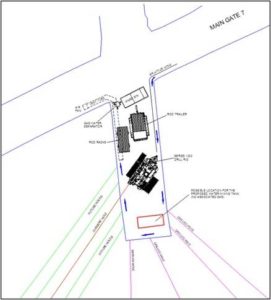 Drill site provided to include all equipment
- Avoid interaction with mine transport movements
- High safety standards and operational procedures
- Ventilation requirements to manage gas, electrical requirements, water supply and pumping

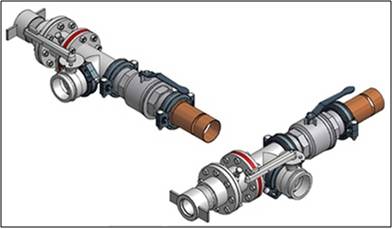
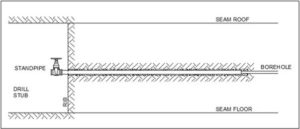
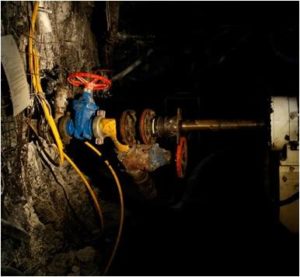
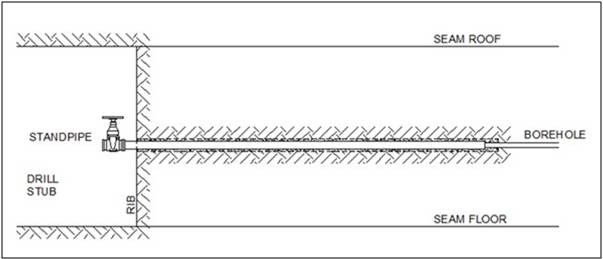
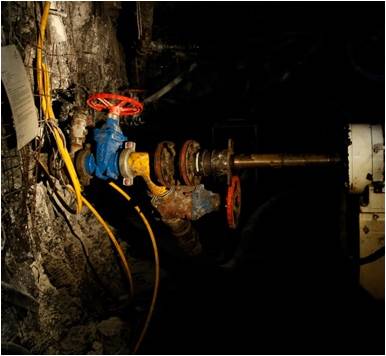
Gas/Water Management — Standpiping
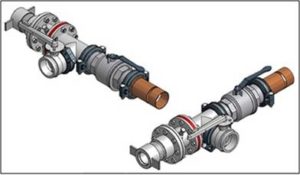 Fully grouted standpipe
- Pressure rated fittings
- Fittings seal borehole and control returns
- Pressure tested for known high pressure intersections
Flat-faced PCD Bits

50% recessed 13mm cutters
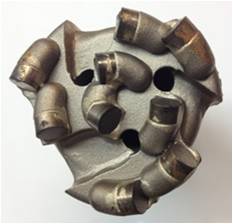
Exposed 13mm cutters

Asahi bit with 13mm cutters
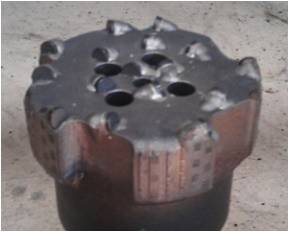
50% recessed 8mm cutters
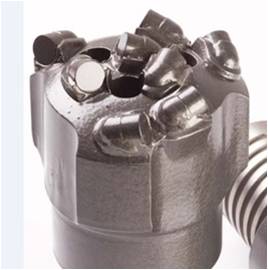
Convex face
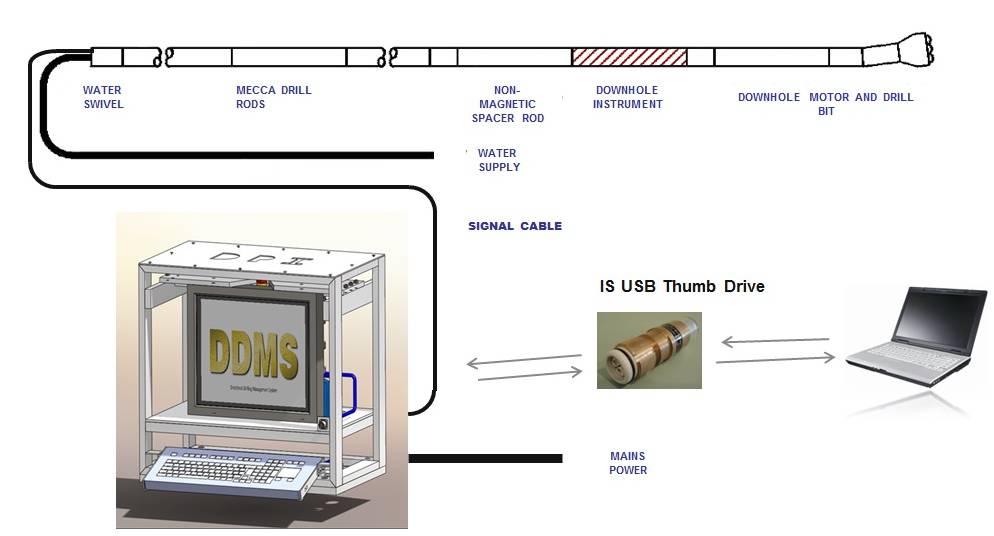
Borehole Surveying – DDMS (Directional Drill Monitoring System)
Borehole Drilling Patterns
 From right to left:
- Rotary drilling initially
- Conversion to directional drilling
- Improved drilling and steering skills
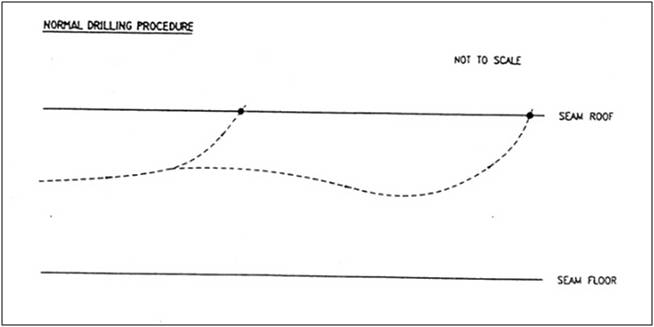
Progressive Seam Profile Definition
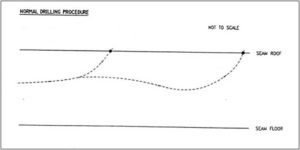 Drill up to intersect roof
- Extrapolate seam roof line
- Pull back to suitable location and branch
- Advance 50-100m to next roof intersection
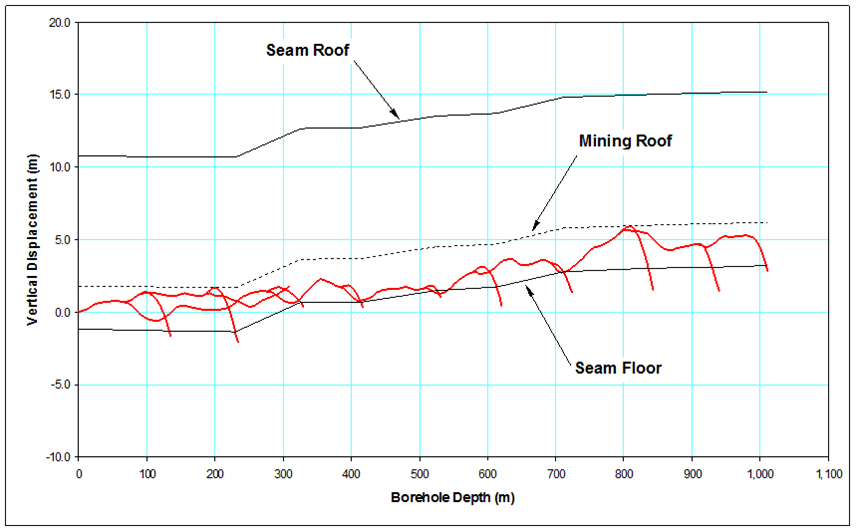
Thick Seam Profile Definition
- Progressive intersections with the seam floor
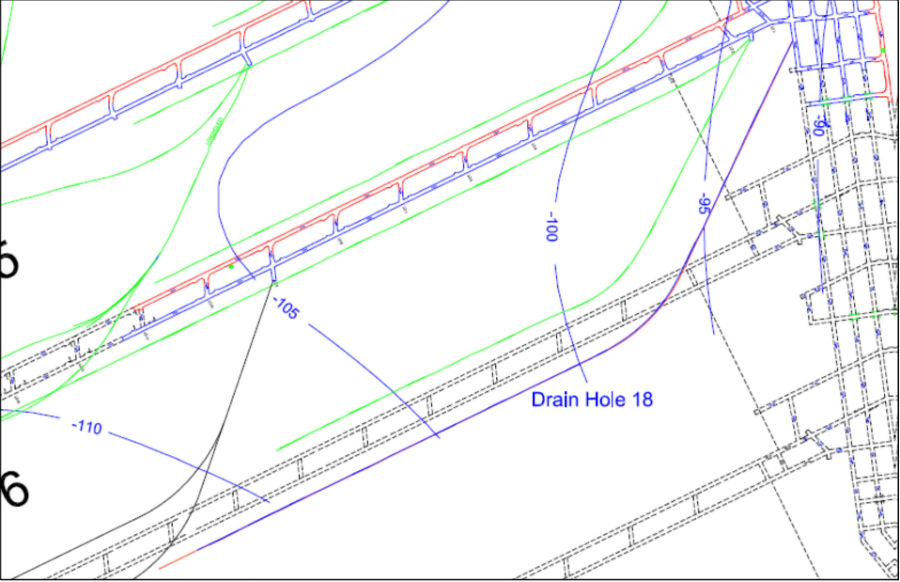
Borehole Design
- Borehole is designed in horizontal plane to suit positioning on the mine contour plan
- Seam contours are based on surface borehole interpretation and mine RLs
 Design Profile
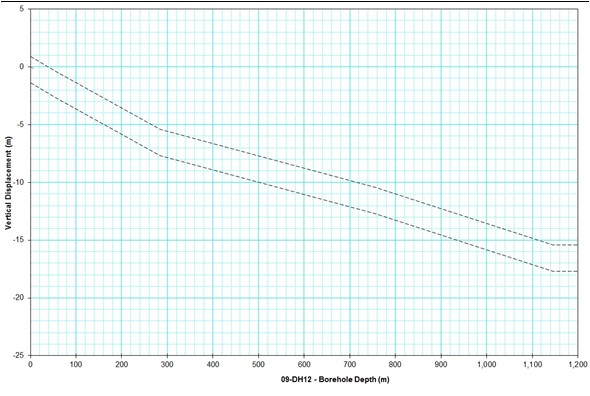
- Borehole Profile based on intersections of design borehole with seam contours
- Seam profile is provided to be used as a guide by the drillers
- it is only an estimation of what the seam profile is
- Drillers have to progressively define the seam profile as they advance
Profile Plot
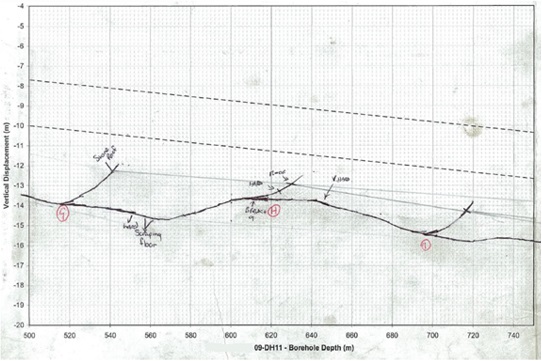
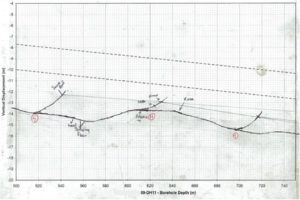 Exaggerated vertical scale – angles exaggerated
- Actual seam profile differs from the design profile
- Seam roof is extrapolated ahead of each roof intersection
- Each intersection revises the seam profile
 Lateral Deviation Plot
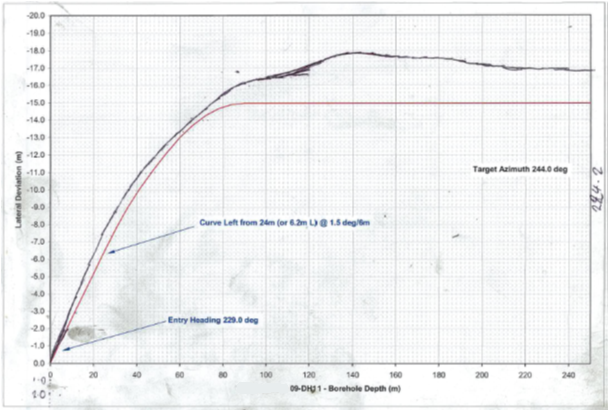
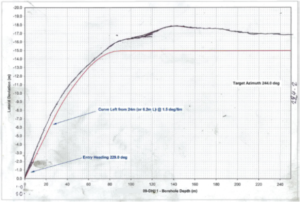
- Lateral Deviation is plotted progressively
- Aim is to follow the design line to position the borehole as required
Drilling Records – allows interpretation of drilling results
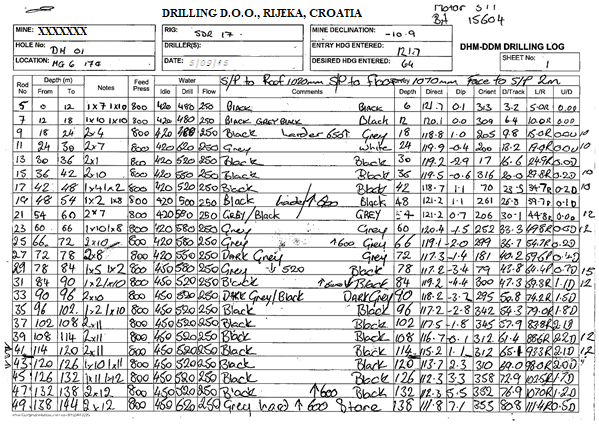 Driller to keep records of:
- Depth
- DHM orientations
- Feed pressure
- Water pressure and flow
- Comments of strata drilled
- Survey results
Longhole In-seam Drainage / In-seam Exploration
- Long in-seam holes drilled for gas drainage provide exploration information

Exploration with Long Gas Drainage Borehole
- Seam profile defined by standard roof intersections
- Seam discontinuities identified

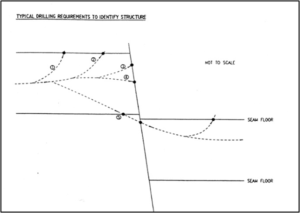 Fault Definition

- Consecutive stone intersections at similar depth indicate presence of a structure
- Prefer to have some indication of likely direction of displacement from geologist
- First intersection can be extended upwards to find displaced seam
- Second intersection can be extended down to find displaced seam
- Infinite possibilities
In-seam Exploration – Fault Identification/Definition
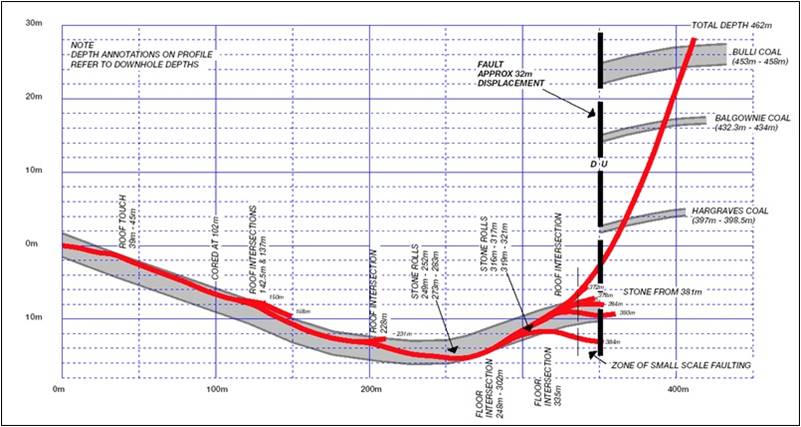
- Multiple intersections defined location of fault
- Sacrificial branch upwards defined the displacement of the fault
In-seam Exploration – Fault Identification/Definition
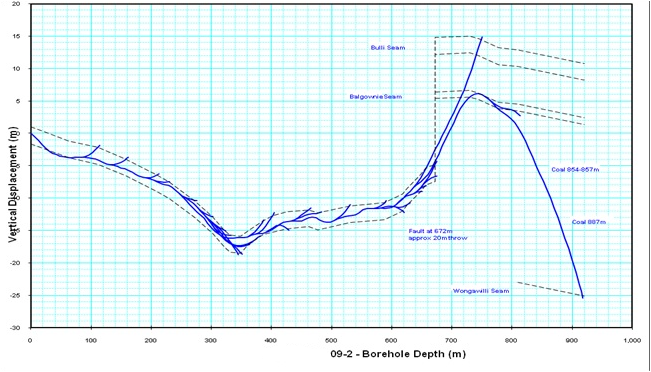
- Multiple intersections defined location of fault
- Sacrificial branch upwards defined the displacement of the fault
- Additional drilling confirmed no further faulting beyond
Undulating Seam
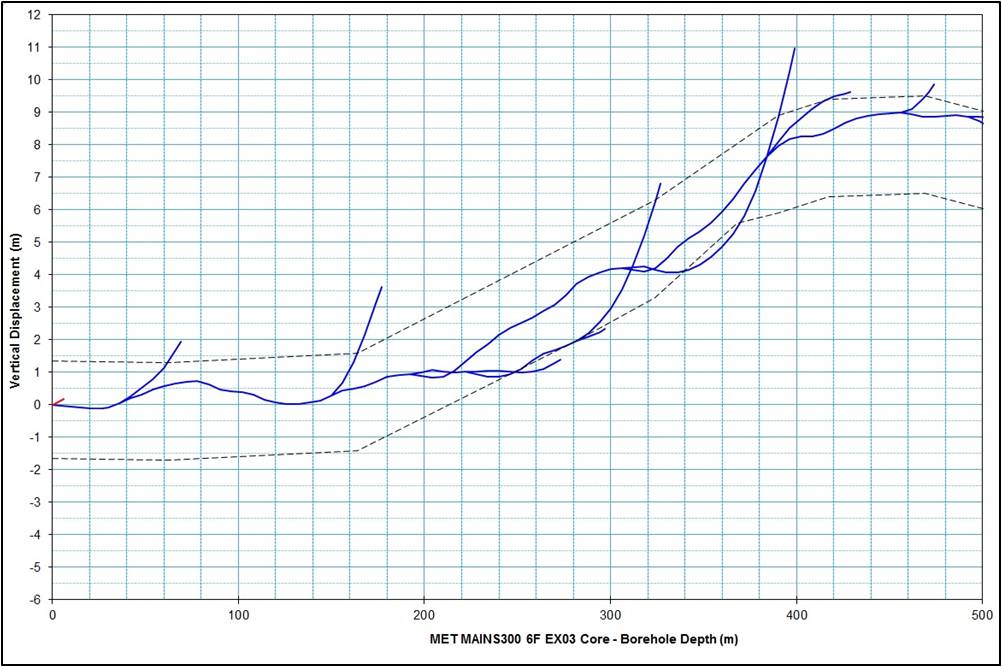
- Seam profile changes
- Unexpected roof or floor intersections at unrecoverable angles
- Additional metres drilled
Thin Undulating Seam

- Sample profile has seam dips varying between 0 and 4 degrees
- Seam thickness 1.5m
- Additional metres drilled in stone trying to find seam
- Borehole curve rate limited to 2.0 degrees/6m
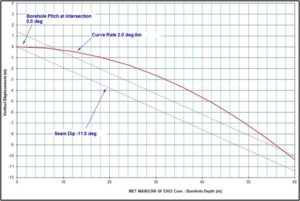 Intersecting Stable Target Seam

- 11 degree relative angle of intersection
- Overshoots and intersects roof
- 7.0 degree relative angle of intersection
- Near roof but stays in seam
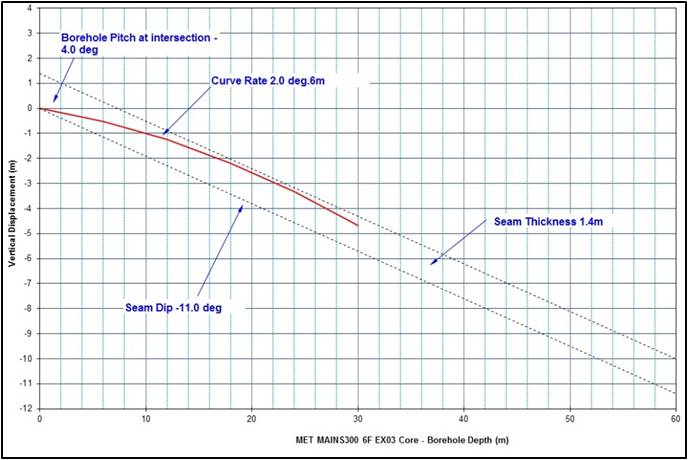
Seam Definition – bogging coal conditions
- Used when target seam is broken and unstable
- Penetrate coal, assess for stability, progress until boggy, pull back
- Require stable stone strata above or below seam
- Require stable interface at seam intersection
- Prefer reasonable penetration rate in stone strata
- Prefer easy branching in stone strata
- Used muds to improve stability and flushing
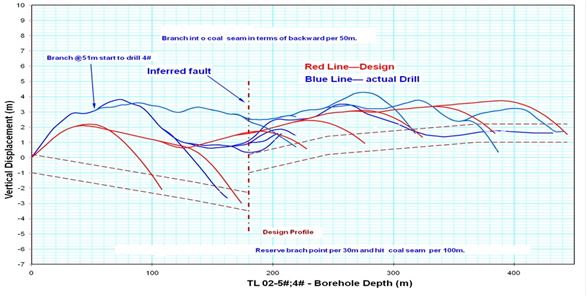
Seam Definition – bogging coal conditions
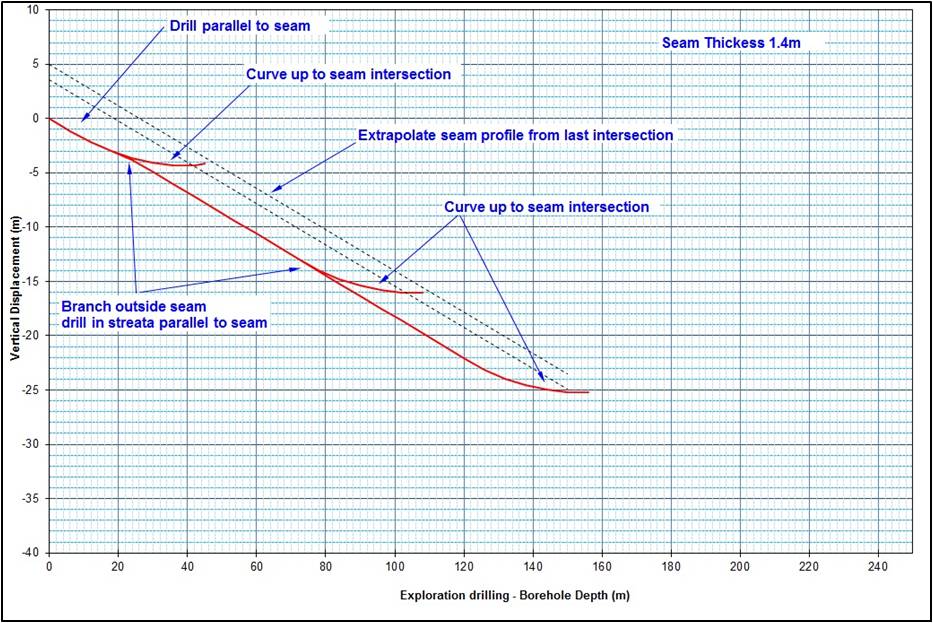
- Drill in stable strata above or below the seam
- Curve up or down sharply to intersect seam
- Pull back before bogging
- Extrapolate seam profile
- Branch and continue
CONCLUSIONS
- Directional drilling is an established form of in-seam exploration
- All drilling requires a stable environment to maintain an open borehole and avoid blockage and/or bogging
- Additive muds can improve stability but are limited in high pressure, broken environments
- Alternative access is available by drilling in stable stone strata above or below the target seam with intersections at regular intervals
- The drilling stability can be assessed with limited exposure to bogging and loss of equipment